—
On Thursday, April 16, City Club was joined by our local state legislators to discuss some of the outcomes of the short session in Salem. From transportation funding and education reform to public lands access and battery recycling, this year’s legislative session covered no shortage of complex and high-stakes issues for Oregon communities.
During the forum, legislators and policy leaders reflected on the fast-paced 35-day session, discussing both the policy wins that emerged and the challenges still ahead. The conversation highlighted the realities of governing during a time of budget uncertainty, growing infrastructure needs, and increasing pressure on state services.
Much of the discussion focused on balancing long-term planning with urgent needs. Panelists spoke about the strain federal funding cuts and rising costs are placing on programs such as transportation, healthcare, and food assistance, while also emphasizing the importance of maintaining public trust through transparency and bipartisan collaboration.
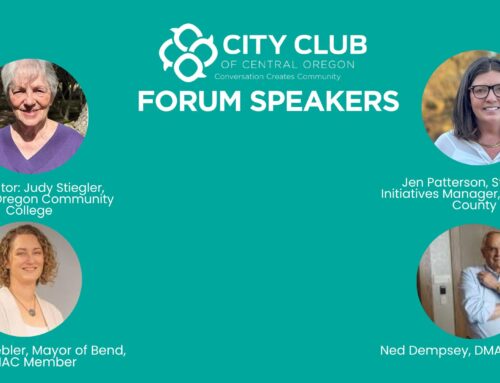
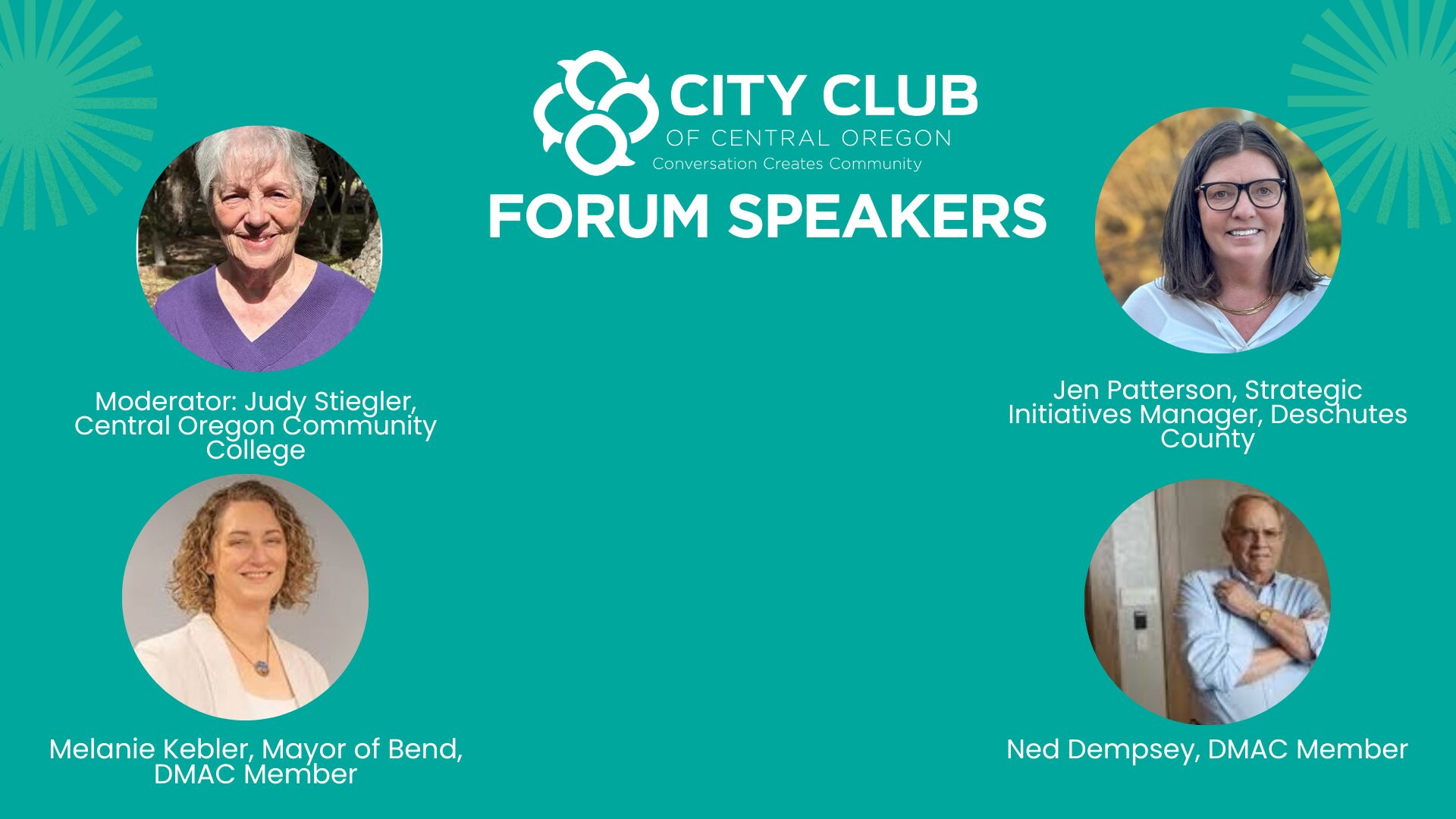
Speakers:
- Aaron Switzer, Publisher, The Source (Moderator)
- Anthony Broadman, Oregon State Senator
- Mike McLane, Oregon State Senator
- Emerson Levy, Oregon State Representative
- Jason Kropf, Oregon State Representative
HB 4144 — Battery recycling
- Legislators framed a new producer-responsibility approach to lithium battery disposal: manufacturers become responsible for collection and recycling to capture lithium and precious metals at scale.
- Problem statement: increased lithium batteries in waste streams caused landfill & truck fires (Metro reports ~4 truck fires/month; Lane County reported 56 landfill fires last year).
- Expected effects: lowers municipal disposal & firefighting costs by shifting responsibility and enabling economy-of-scale recycling; reduces fire risk in recycling/transport operations.
- Near-term work: education campaign and program build-out to increase consumer recycling behavior; bill return in future session to refine implementation.
Corner-crossing / Public‑land access
- Issue: checkerboard ownership of public/private sections creates frequent corner-crossing access questions and trespass disputes.
- Legal backdrop: 10th Circuit precedent and federal statutes favor maintaining public access when there is no footprint or impact on private land; state trespass laws were clarified in proposed
- Policy approach: co‑sponsored bill (SB 1545) aimed to protect public access while addressing landowner concerns via clear boundary guidance and targeted immunity/sanctions rules.
- Next steps: stakeholders (landowners, public‑land advocates) to be convened over summer/fall to negotiate compromise language for reintroduction in 2027.
Public‑lands promise & federal privatization risks
- Lawmakers raised the Public Lands Promise to prevent state/local assistance in federal land privatization (trails, parks, monuments).
- Rationale: signal to federal government that Oregon will not facilitate privatization that undermines public access and stewardship.
- Companion work: multiple bipartisan bills aimed at preserving access, identifying enforcement standards for federal officers operating in state (e.g., identification, limits on action in schools/hospitals).
Outdoor recreation liability (liability waivers & insurance)
- Background: a 2014 state Supreme Court ruling weakened liability waivers, spiking insurance premiums and reducing coverage availability for outdoor recreation operators.
- Legislative response: SB 1517 (and related bills) rebalanced standards — allowed waivers with specified exceptions and inserted safety-focused requirements to restore insurer participation.
- Outcome: stakeholders (insurers, operators) reported improved market response; expected insurance availability to return over 2026 with ongoing adjustments.
Transportation & proposed gas tax referendum
- Context: a prior transportation package negotiation (2017) shows building multi-interest deals is possible but protracted; this year a proposed gas tax placed on the May ballot rather than November to give earlier budget clarity.
- Political/technical reality: polling suggested ~70% likely repeal risk; leaders debated May timing to inform ODOT budgeting vs. risk of early defeat.
- Operational concerns: ODOT workforce down ~15%, rising maintenance costs, and trust issues between Oregonians and ODOT on project transparency.
- Policy options discussed: a zero‑balanced budgeting exercise, transparency dashboards (example: Indiana app showing all road projects), and pursuing a bipartisan negotiated package rather than ballot-alone strategy.
Federal cuts, SNAP / OHP impact and fiscal squeeze
- SNAP/OHP error rates became a budget lever: Oregon’s SNAP error rate peaked near 22%, later reported nearer 14% after corrective audits — federal penalties and reimbursement reductions
- Federal reductions ripple: legislature must weigh backfilling core services (food, health care, housing) without sufficient general‑fund capacity.
- National context: speakers cited ~$39.1 trillion national debt (and long‑term projections) as an amplifying macro pressure that will reduce federal pass‑throughs and increase state-level budgeting
Education — funding vs outcomes
- Funding increased (including targeted K‑12 dollars and a school‑only reserve ~$1.2–$1.3B), but outcomes remain behind peer states; many urged more instructional time and higher teacher
- Observed gap: students in some neighboring states spend ~1 year more in classroom over a K–12 arc than Oregon students — leaders called that unacceptable.
- Policy direction: pursue a multi‑year (10–20 year) compromise plan with concessions across districts, unions and taxpayers focused on instructional time, teacher recruitment/retention, and measurable outcome improvements.
Legislative process, session length, and bill volume
- Short session utility: many saw the 35‑day short session as effective for targeted, urgent work; it also concentrated intense negotiations that produced specific wins (e.g., OSU Cascades funding).
- Volume problem: nearly 300 bills introduced in the short session with thousands of testimony submissions; chairs must triage hearings to focus on highest‑priority items.
- Tradeoffs: proposals to limit bill counts (10–20 per legislator/year) or tighten committee hearing discretion were debated; leaders value both citizen‑legislature diversity and the need to streamline to do fewer things better.
Outlook
- Consensus on near-term priorities: stabilize ODOT funding and workforce; shore up SNAP/OHP and state healthcare exposure; implement battery recycling and public‑land access fixes; accelerate education reforms with measurable instructional‑time targets.
- Next steps highlighted: stakeholder negotiations over corner‑crossing and transportation funding frameworks, continued budget transparency tools, and multi‑year planning for K–12 outcomes.